Why RCM Is the Career of Tomorrow
AI is changing the game for software jobs. Coding, testing, and even development are becoming automated, leaving many fresh graduates unsure about their career path. But one field where humans remain essential is Revenue Cycle Management (RCM) in healthcare—a career that blends technology, business strategy, and human care.
What Makes RCM Different?
Requires human judgment & attention to detail that AI can’t replace
AI can process data, but it can’t always spot errors, exceptions, or unique patient cases the way a skilled RCM professional can. Human oversight ensures accuracy in billing, coding, and claims that directly affect patient trust and healthcare revenue.
Blends technology with complex healthcare regulations
RCM professionals work with advanced software tools while navigating ever-changing healthcare rules, compliance standards, and insurance policies. This unique balance of tech and regulation creates a career that’s both dynamic and valuable.
Offers strong career stability with rising demand
With healthcare spending increasing worldwide, hospitals and clinics need experts to manage financial processes efficiently. The demand for RCM professionals continues to grow, making it a recession-resistant and future-ready career path.
Provides fast entry through accessible certifications
Unlike many careers that require years of study, RCM offers certifications and training programs that allow graduates to build expertise quickly and step into well-paying roles without long delays.
AI with a Human Touch in Healthcare Finance
AI boosts efficiency, but billing accuracy and patient communication still need a human touch,” says Chris Schremser, CTO at Waystar. While automation can streamline repetitive tasks like claims processing and data entry, the real challenge in healthcare finance lies in handling exceptions, understanding context, and maintaining trust with patients. Human expertise ensures that sensitive situations—such as denied claims, insurance disputes, or patient billing questions—are handled with empathy and accuracy. In an industry where a small error can lead to financial loss or affect patient care, the role of trained RCM professionals becomes irreplaceable. Schremser emphasizes that AI should be seen as a supportive tool, not a replacement. By removing repetitive workloads, it allows RCM specialists to focus on higher-value decision-making, compliance, and patient communication, ultimately creating a stronger balance between technology and human judgment.
AI in Action: Empowering RCM Teams
A leading RCM company successfully integrated AI to automate billing and claims across 350+ healthcare organizations, drastically improving speed and efficiency. However, automation did not replace employees-it transformed their roles. Instead of spending hours on repetitive tasks, RCM professionals now focus on higher-level responsibilities such as analyzing complex claims, ensuring compliance, and resolving exceptions. This shift has not only improved accuracy but also saved over 15,000 employee hours every month, showcasing how AI and human expertise can work together to deliver better outcomes for both healthcare providers and patients.
The Onboarding of Code and AR
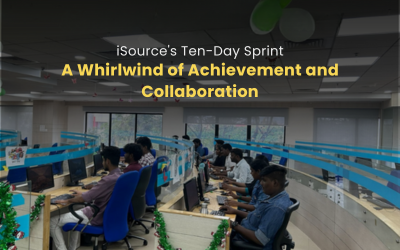
While most of us struggled to set up a new phone in a week, iSource was busy onboarding new clients with style. Amid other teams working on the projects, our HR team has also been working simultaneously, onboarding newbies to the business. Team leaders became maestros, orchestrating symphonies of efficiency. Coding and AR clients joined the iSource family, and it wasn’t just a win; it was a victory lap in a rocket ship.